Selling a paid audit is harder than selling a retainer in one respect: the prospect has to believe the diagnosis is worth paying for before they trust the doctor. Running a digital marketing agency webinar to sell audit engagements solves that problem by demonstrating diagnostic skill live, in front of the exact people you want as clients.
This case study walks through how one agency built that funnel, what the numbers looked like, and which decisions made the difference. The specifics are drawn from a common pattern that repeats across agencies of similar size.
It is deliberately detailed, because the interesting part is not the concept but the execution: the offer structure, the script beats and the follow-up that converted attendees into paying audit clients.
What Is a Webinar-to-Audit Funnel?
It is a sequence where a free educational webinar leads directly to a paid diagnostic engagement, which in turn qualifies prospects for a larger retainer. The audit serves as a low-risk first transaction.
The logic is straightforward. Asking a stranger to commit to a twelve-month retainer is a large leap. Asking them to buy a defined, fixed-price audit after watching you dissect a real account live is a much smaller one.
The webinar is where trust is manufactured, and the audit is where it is monetised. Skipping either step breaks the chain, which is why agencies offering free audits often struggle to convert them.
Who Should Use This Model?
It suits service businesses where expertise is the product and where diagnosis precedes delivery.
- Digital marketing agencies selling SEO, paid media or conversion services
- Web development studios offering technical or performance assessments
- Consultancies whose engagements begin with a discovery phase
- Specialist firms in analytics, accessibility or security reviews
- Freelancers positioning upward from hourly work to fixed-scope projects
Key Components of the Funnel
A Specific, Painful Topic
The webinar in this case study was not "How to improve your marketing". It was a session on why ecommerce sites lose revenue at checkout, aimed at store owners doing meaningful monthly volume. Specificity filtered the audience before anyone registered.
A Live Teardown Segment
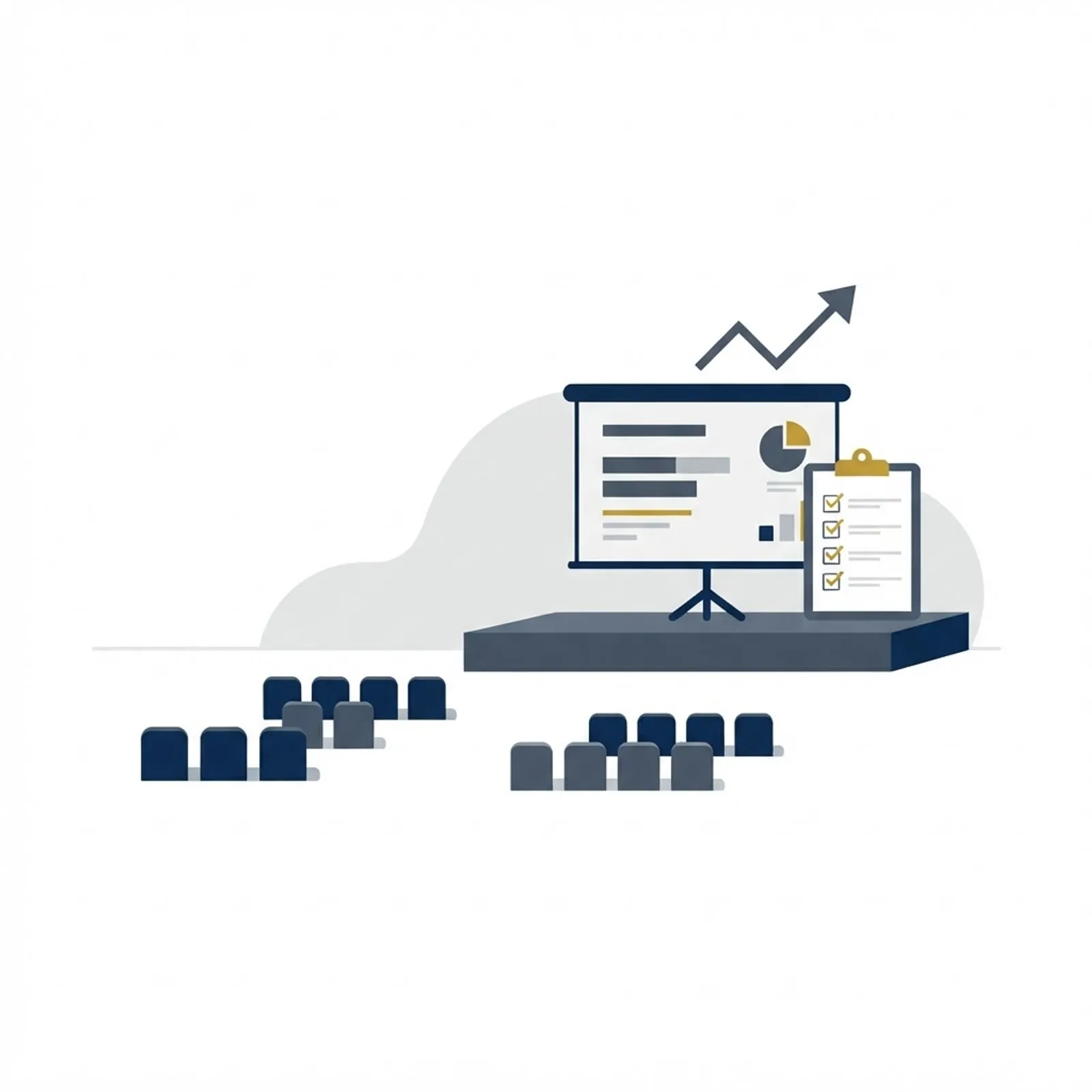
Fifteen minutes were spent auditing a real volunteer site on screen, finding genuine problems in real time. This single element did more persuasion work than the rest of the session combined, because it proved capability rather than claiming it.
A Clearly Priced Audit Offer
The offer was a fixed-price audit with a defined deliverable and turnaround, presented in the final eight minutes. No discovery call required, no vague scoping. Removing friction from the purchase decision was critical.
Automated Follow-Up by Behaviour
Attendees who stayed to the end, those who left early and those who never showed received different sequences. This segmentation roughly doubled conversion compared with sending everyone the same replay email. The whole flow ran through a structured email marketing automation setup.
How the Funnel Was Built
The build took three weeks from decision to first live session, with most effort going into the landing page and the teardown preparation.
- Selected a single audience segment and validated the topic against recent sales objections.
- Built a registration page with a headline naming the specific problem and outcome.
- Recruited a volunteer site for the live teardown and pre-reviewed it privately for pacing.
- Scripted the session with fixed timings, including exactly when the offer appears.
- Set up behavioural follow-up sequences before the first session went live.
- Promoted through email list, organic social and a modest retargeting budget.
- Ran the session, then reviewed drop-off timestamps to find weak segments.
- Iterated across four sessions, cutting the weakest ten minutes each time.
Results and Benefits
The numbers stabilised by the third session, once the script had been tightened and promotion timing settled.
- Registration to attendance held steady at just above forty percent across sessions
- Roughly one in eight attendees purchased the paid audit within fourteen days
- Over half of audit clients progressed to an ongoing retainer within one quarter
- Sales call length dropped sharply because prospects arrived pre-sold on competence
- The recorded session became an evergreen asset driving registrations for months
Potential Challenges
Several things nearly derailed the programme, and they are worth anticipating.
- The first session ran twenty minutes long and the offer landed to a half-empty room
- Finding volunteers for live teardowns proved harder than expected and required incentives
- Early promotion leaned too heavily on the existing list, capping reach after two sessions
- Manual follow-up in the first month consumed more hours than the revenue justified
Best Practices and Tips
The improvements that mattered most were structural rather than cosmetic.
- Put the offer at a fixed timestamp and never let content overrun into it
- Price the audit high enough to signal value but low enough to be an easy yes
- Show real problems on real sites, because hypothetical examples persuade nobody
- Support registration pages with fast, clean design from a capable front-end development team to protect conversion rates
Real-World Example
In the fourth session, the teardown uncovered a tracking error on the volunteer's site that had been misreporting conversions for months. The room reaction was immediate, and four attendees purchased audits within the hour.
That moment was not luck. The agency deliberately chose volunteer sites likely to contain fixable, visible problems, and rehearsed the diagnostic sequence so the discovery felt natural rather than staged. They later repurposed the clip through professional video production into a short asset that drove registrations on its own.
Why It Matters
Free audits train prospects to value your expertise at zero. A paid audit reframes the relationship immediately, filters out tyre-kickers, and generates revenue from the sales process rather than cost.
The webinar makes that paid step credible. Without the live demonstration, most prospects will not pay for a diagnosis from a firm they have never worked with, no matter how good the case studies look.
Frequently Asked Questions
How much should we charge for the audit?
Enough that it represents real commitment but well below your typical monthly retainer. Many agencies land somewhere between a few hundred and low thousands depending on scope and market.
Does the webinar need to be live?
The first several should be, because live Q&A is where objections get handled. Once the script is proven, a simulated live version can run on a schedule with a host answering chat.
What if nobody buys during the session?
That is normal. Most purchases in this model happen within the following two weeks through follow-up, not during the call itself.
How often should we run these?
Monthly works well for most agencies. More frequently and your promotion audience gets fatigued; less frequently and the operational muscle never develops.
Conclusion
A digital marketing agency webinar to sell audit services works because it replaces claims with demonstration. Prospects do not need to be told you are good at diagnosis if they have just watched you do it.
Keep the topic narrow, the teardown real and the offer simple. Use AI-assisted tooling to speed up your audit delivery so the model stays profitable as volume grows.