Most companies do not have a marketing problem. They have a coordination problem. The advertising team optimises for cheap clicks, the content team writes for a different audience, the email team sends whatever is scheduled, and the website says something else entirely. Integrated digital marketing is the discipline of making all of those pieces tell one coherent story.
The payoff is not just tidiness. When channels share a message, an audience definition and a measurement framework, each one makes the others perform better. Search supports paid, paid supports retargeting, content feeds email, and the whole system compounds.
This guide explains what integrated digital marketing actually involves, how to build it without reorganising your whole company, and what to measure when no single channel deserves all the credit.
What Is Integrated Digital Marketing?
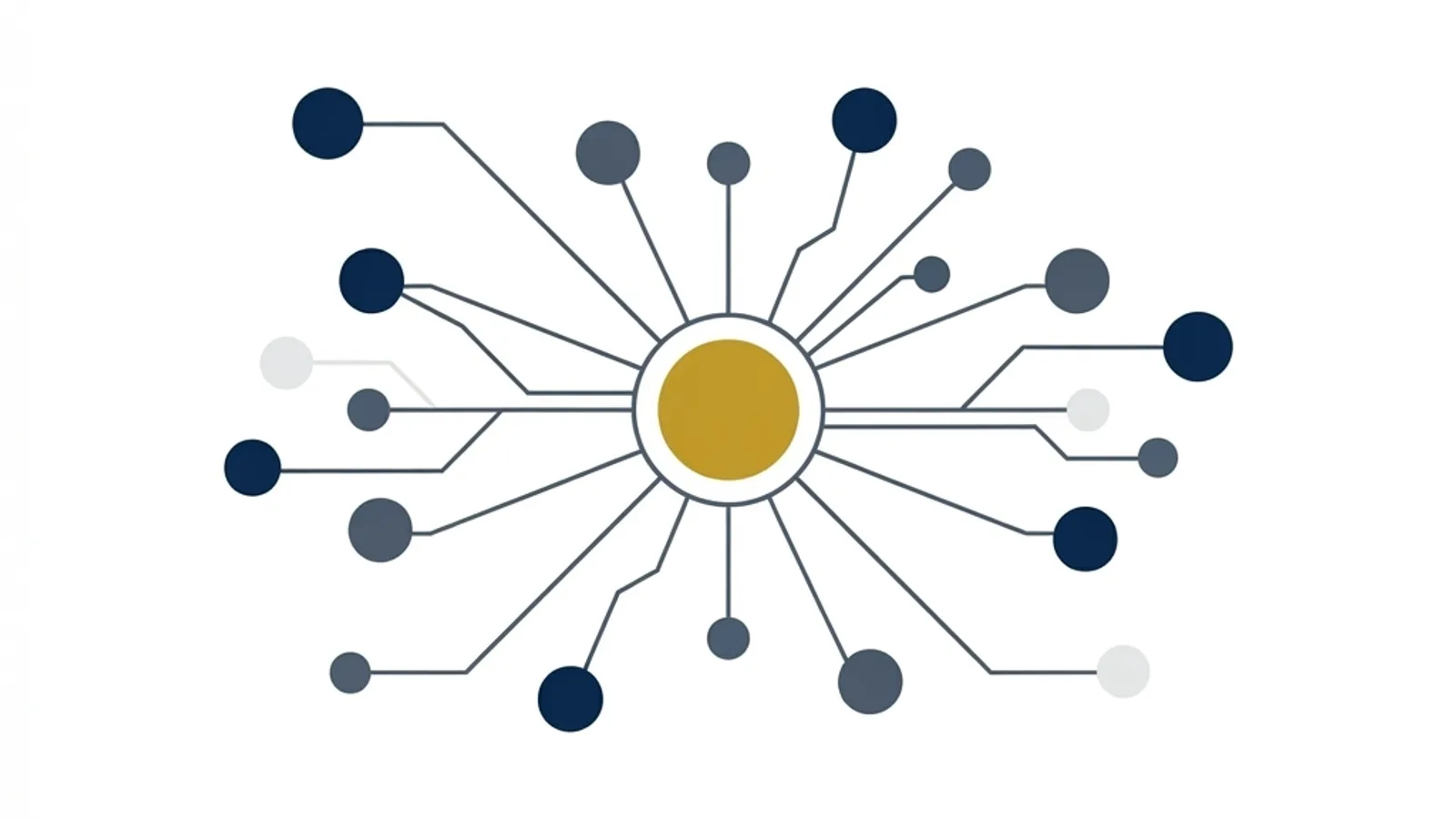
Integrated digital marketing is a strategic approach where every online channel operates from a shared plan, message and data set. Rather than running search, social, email and content as separate programmes, they are coordinated around the same audience segments and business objectives.
Integration is about the customer experiencing one consistent conversation, no matter where they encounter your brand. Someone who reads an article, sees a retargeted advertisement and receives an email should feel continuity rather than three unrelated pitches.
The concept extends beyond messaging to operations. Shared audience definitions, unified tracking, a common content library and coordinated planning cycles are what make integration real rather than aspirational.
Who Benefits From Integration?
The approach delivers most value in specific circumstances.
- Companies running four or more channels where inconsistency has become visible.
- Businesses with long sales cycles that require many touchpoints before a decision.
- Brands using multiple agencies that need a single coordinating framework.
- Organisations with flat or shrinking budgets who need existing spend to work harder.
- Ecommerce retailers where acquisition, retention and merchandising must align.
Key Components of Integration
A Single Strategic Message
Everything starts with a positioning statement everyone can recite: who you serve, what problem you solve and why you are different. Channels then translate that message into their own formats rather than inventing their own angles.
Shared Audience Definitions
If paid social targets one persona and content targets another, integration is impossible. Agree three to five segments, define them with real data, and use the same definitions in every platform and report.
A Connected Technology Stack
Integration depends on systems that talk to each other: CRM, marketing automation, analytics, advertising platforms and the website. Getting these connected reliably often requires proper engineering support, such as a web application development team building the data links between tools.
A Central Content Library
One well-researched piece of content should fuel a blog post, an email sequence, social posts, sales collateral and advertising creative. Treating content as a reusable asset rather than a channel-specific output multiplies its return. Strong infographic design makes that reuse far easier because visual assets travel well across formats.
Unified Measurement
Integrated programmes need reporting that shows contribution rather than channel silos. That usually means a blended acquisition cost, an agreed attribution model and regular incrementality testing.
How to Build an Integrated Programme
Integration is built in stages, not declared in a meeting.
- Document the current state: every channel, owner, tool and message in use.
- Write a single positioning statement and have every stakeholder approve it.
- Define shared audience segments using real customer data.
- Consolidate tracking into one analytics setup with consistent naming conventions.
- Create a joint quarterly planning session with every channel owner present.
- Build a shared content calendar that feeds all channels from common themes.
- Introduce blended reporting that shows total cost per acquisition.
- Run a cross-channel campaign end to end and review it together honestly.
Benefits of Integrated Digital Marketing
The advantages show up in both performance and day-to-day working life.
- Message consistency accelerates brand recognition and recall.
- Content production costs fall because assets are reused across channels.
- Channels reinforce each other, improving conversion rates across the board.
- Reporting becomes clearer, making budget reallocation straightforward.
- Planning is faster because everyone works from the same calendar and brief.
Potential Challenges
Integration is genuinely difficult, and pretending otherwise sets teams up to fail.
- Organisational silos where teams are measured on channel-specific targets resist coordination.
- Attribution disputes arise when several channels claim the same conversion.
- Slower execution initially, as coordination adds process before it adds speed.
- Technology gaps between platforms that were never designed to share data.
Best Practices and Tips
These practices keep integration from collapsing back into silos.
- Change incentives so channel owners share a common primary metric.
- Hold a single weekly stand-up across all channels rather than separate meetings.
- Maintain one message document that every brief references.
- Test integration with one campaign before rolling the model out everywhere.
Real-World Example
A business travel services company ran paid search through one agency, social media through another and email in-house. Each reported strong results individually, yet overall growth had stalled and customers frequently mentioned being confused about what the company actually offered.
The company ran a positioning workshop, cut its messaging from nine value propositions to three, and agreed four shared audience segments. All reporting moved into one dashboard using a blended acquisition cost. A single quarterly theme now drives one research report, which becomes email sequences, social content, sales enablement material and advertising creative. Supporting this with consistent graphic design across every asset made the brand instantly recognisable. Total spend stayed flat while qualified enquiries grew by roughly forty percent over three quarters.
Why It Matters
Buyers do not experience channels; they experience a brand. A prospect might see a social post, read a review, click an advertisement and open an email within a single week. If those touchpoints contradict each other, trust erodes and the buyer defaults to whichever competitor feels more coherent.
Integration is also the most reliable way to improve returns without increasing budget. Most companies already spend enough; they simply waste a substantial share on duplicated effort, conflicting messages and content that is used once and discarded.
Frequently Asked Questions
How is integrated digital marketing different from multichannel marketing?
Multichannel simply means being present on several platforms. Integrated means those platforms share strategy, messaging, audience definitions and measurement. Many companies are multichannel by accident and integrated only by deliberate design.
Do I need one agency to be integrated?
No. Multiple specialists can work in an integrated way if they share a brief, a message document, common audience definitions and unified reporting. What matters is a single coordinating owner, not a single supplier.
How do you measure an integrated programme?
Use blended metrics such as total cost per acquisition and overall pipeline contribution as the headline, supported by channel-level diagnostics. Incrementality tests and holdout groups help establish genuine contribution where attribution is ambiguous.
How long does integration take to implement?
Messaging and audience alignment can be done in weeks. Technology consolidation and reporting usually take a quarter or two. Cultural change, where teams genuinely plan together, is the slowest part and often takes a full year.
Conclusion
Integrated digital marketing is less about adding channels and more about removing contradictions. One message, shared audiences, connected data and joint planning will usually improve results faster than any new platform.
If connecting your tools and website is the missing piece, our Strapi CMS website development team builds content infrastructure designed to serve every channel from one source.