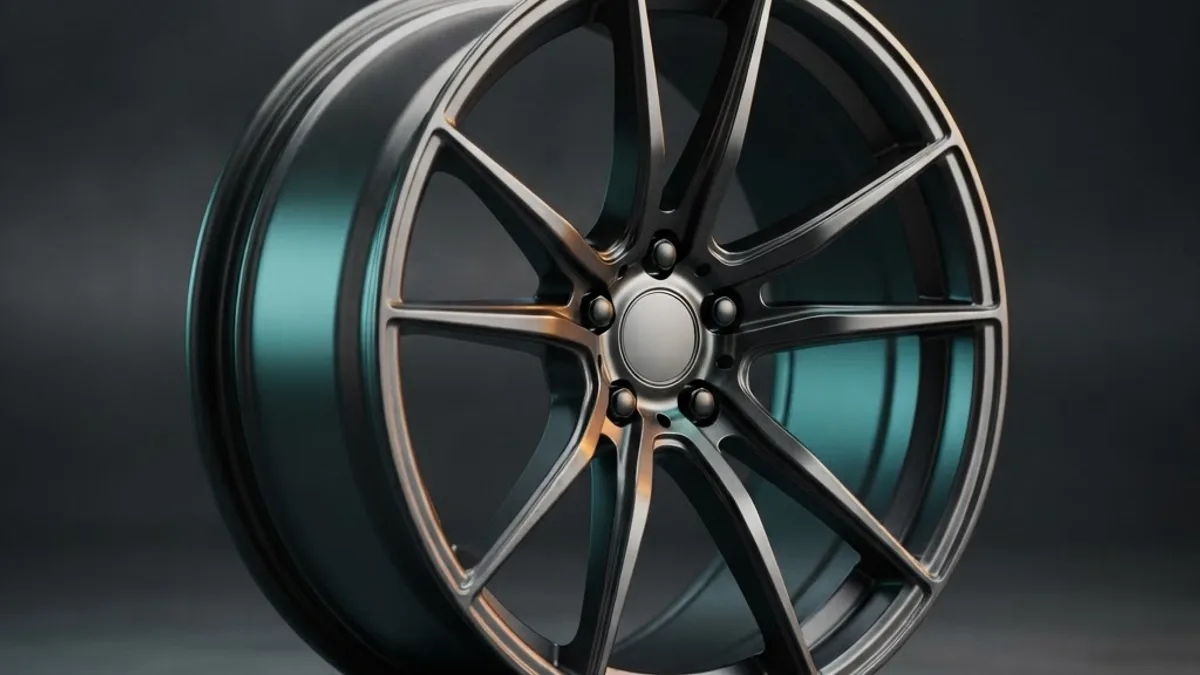
If you have been shopping for new rims, you may have come across the name "Quantum Wheels." Wheels are one of the most popular upgrades for any vehicle, transforming both looks and, in some cases, performance. But with so many brands and options, it helps to understand what you are actually buying before you spend the money.
This guide explains what Quantum Wheels refers to, walks through the fundamentals of choosing quality alloy wheels, and covers the key factors — fitment, construction, finish, and value — that determine whether a set of wheels is right for your car. Whether you are chasing style, performance, or both, this will help you buy with confidence.
Table of Contents
- What Quantum Wheels refers to
- Why wheels matter beyond looks
- How alloy wheels are made
- Key factors when choosing wheels
- Understanding fitment and specs
- Finishes and styles explained
- How to judge wheel quality and value
- Frequently asked questions
- Final thoughts
What Quantum Wheels Refers To
Quantum Wheels is a name associated with aftermarket alloy wheels and rims for passenger vehicles. Like many wheel brands, it offers a range of designs, sizes, and finishes intended to let drivers upgrade the appearance and stance of their cars.
Because the wheel market includes many brands using similar names, it is always wise to verify the specific manufacturer, product line, and specifications before purchasing. What matters most is not the name on the box but the quality of construction, the correct fitment for your vehicle, and the reputation of the seller. This guide focuses on how to evaluate any set of wheels, using Quantum Wheels as the example.
Why Wheels Matter Beyond Looks
Wheels are one of the most visible upgrades you can make, dramatically changing a vehicle character. But their impact goes beyond aesthetics. The right wheels can reduce unsprung weight, which improves handling and ride quality, while the wrong ones can hurt performance and comfort.
Wheel size and width also affect tire choice, ride firmness, and even fuel efficiency. Larger, heavier wheels may look aggressive but can make a ride harsher and reduce efficiency. Understanding these trade-offs helps you choose wheels that match how you actually use your car, not just how you want it to look.
How Alloy Wheels Are Made
Most modern aftermarket wheels are alloy, typically made from aluminum alloys that balance strength and low weight. There are two main manufacturing methods. Cast wheels are made by pouring molten alloy into a mold; they are affordable and offer many design options but are generally heavier and less strong.
Forged wheels are made by compressing solid alloy under enormous pressure, producing a denser, stronger, and lighter wheel. They cost more but are prized for performance. Flow-formed wheels sit in between, using a process that strengthens cast wheels for a good balance of price and performance. Knowing which method a wheel uses tells you a lot about its quality and price.
Key Factors When Choosing Wheels
When selecting wheels, prioritize correct fitment first — a beautiful wheel that does not fit your car properly is useless or even dangerous. Next, consider weight, since lighter wheels generally improve handling and efficiency. Then weigh construction quality, which affects durability and safety.
Finish and style come next, since these determine the look you are after and how well the finish will hold up to weather and road conditions. Finally, consider value: the goal is the best combination of quality, fitment, and appearance for your budget, not simply the cheapest or the flashiest option.
Understanding Fitment and Specs
Fitment is the single most important technical factor. Key specifications include diameter and width, bolt pattern, offset, and center bore. The bolt pattern must match your vehicle hub, and the offset determines how far the wheel sits in or out relative to the fender.
Getting these numbers wrong can cause rubbing, poor handling, or an inability to mount the wheel at all. Always confirm the correct specifications for your exact make, model, and year, and when in doubt, consult a reputable wheel specialist. Proper fitment protects both your safety and your investment.
Finishes and Styles Explained
Wheels come in a wide variety of finishes, each with different looks and maintenance needs. Painted finishes are common and affordable. Machined finishes expose polished metal for a two-tone effect. Chrome and polished finishes offer a bright, mirror-like look but require more upkeep, while matte and satin finishes give a modern, understated appearance.
Style is personal, but consider how a finish will hold up in your climate and driving conditions. Harsh winters, road salt, and frequent curb contact can wear finishes quickly. Choosing a durable finish appropriate to your environment keeps your wheels looking good for longer.
How to Judge Wheel Quality and Value
To judge quality, look for wheels that meet recognized safety and load-rating standards, come from reputable manufacturers, and carry clear specifications and warranties. Load rating is especially important — the wheel must be rated to safely support your vehicle weight.
Read reviews, verify the seller reputation, and be cautious of prices that seem too good to be true, as extremely cheap wheels may cut corners on materials or testing. The best value is a wheel that fits correctly, meets safety standards, suits your driving needs, and fits your budget — in that order.
For wheel retailers and automotive brands selling online, a fast, visual ecommerce solution paired with professional website design makes it far easier for customers to find the right fitment and buy with confidence.
What to Consider Before Buying
Choosing wheels is about more than looks, and a few considerations will help you make a confident decision. Start with fitment: wheels must match your vehicle’s bolt pattern, diameter, width, and offset. Getting these numbers right ensures the wheels sit correctly, clear the brakes, and do not rub against the bodywork. When in doubt, verify the specifications against your vehicle before purchasing.
Material and construction matter too. Alloy wheels offer a strong balance of light weight, strength, and style, which is why they are so popular. Consider the finish as well, since it affects both appearance and how easy the wheels are to clean and maintain. Finally, think about your driving conditions: rough roads and harsh winters call for durable, corrosion-resistant finishes, while a car used mostly for show can prioritize appearance. Balancing performance, durability, and style leads to a choice you will be happy with for years.
Caring for Your Wheels
Good wheels are an investment, and a little care keeps them looking and performing their best. Regular cleaning is the single most important habit, because brake dust and road grime are corrosive over time and can permanently mar a finish if left to build up. Use a gentle wheel cleaner suited to your specific finish, and avoid harsh abrasives that can scratch the surface.
Beyond cleaning, periodically check for damage from potholes or curbs, since bends and cracks can affect safety and balance. Keep your tires properly inflated and have your wheels balanced and aligned as recommended, which reduces uneven wear and vibration. Protecting the finish with an appropriate sealant can add an extra layer of defense against the elements. With consistent care, quality wheels retain both their appearance and their value well into the future.
Common Myths and Misunderstandings
As with many branded products, some confusion surrounds what wheels can and cannot do. One common misconception is that a larger or flashier wheel automatically improves performance. In reality, the right wheel is the one that fits your vehicle correctly and suits your driving needs; bigger is not always better and can even affect ride comfort and handling if chosen poorly.
Another myth is that all wheels of a given size are interchangeable. Fitment depends on several precise measurements, and ignoring them can lead to rubbing, clearance problems, or unsafe installation. It is also worth remembering that appearance and durability both matter; a striking finish that cannot withstand your climate or road conditions may disappoint over time. Cutting through these misunderstandings helps you focus on what genuinely matters: correct fitment, quality construction, and a finish suited to how and where you drive.
Getting the Best Value for Your Money
Wheels represent a meaningful purchase, so getting good value is about more than finding the lowest price. Consider the long-term picture: well-made wheels with a durable finish may cost more upfront but last longer, resist damage, and retain their appearance, which often makes them the more economical choice over time.
Factor in the complete cost, including proper fitting, balancing, and any necessary accessories, rather than just the sticker price. Buying from reputable sources ensures you receive genuine, quality products and reliable support if something goes wrong. Finally, match your spending to your actual needs; there is no reason to overspend on features you will not use, nor to cut corners on quality that affects safety and longevity. A thoughtful, informed purchase delivers the best blend of appearance, performance, and lasting value.
Frequently Asked Questions
What is Quantum Wheels? It is a name associated with aftermarket alloy wheels and rims. Always verify the specific manufacturer and specifications before buying.
Are alloy wheels better than steel? Alloy wheels are lighter and offer more design options, improving handling and looks, while steel wheels are heavier but very durable and often cheaper, popular for winter use.
What is the most important thing when buying wheels? Correct fitment for your exact vehicle. The right bolt pattern, offset, and size are essential for safety and performance.
What is the difference between cast and forged wheels? Cast wheels are more affordable but heavier and less strong, while forged wheels are lighter, stronger, and more expensive. Flow-formed wheels sit in between.
How do I know a wheel is safe? Choose wheels that meet recognized safety and load-rating standards from reputable manufacturers, and confirm the load rating suits your vehicle.
Do bigger wheels improve performance? Not always. Larger, heavier wheels can look aggressive but may harshen the ride and reduce efficiency. Match wheel size to how you use your car.
Final Thoughts
Quantum Wheels, like any wheel brand, should be judged not on its name but on the fundamentals: correct fitment, quality construction, an appropriate finish, verified safety ratings, and solid value. Get those right and new wheels can transform both the look and feel of your vehicle.
Take the time to confirm the exact specifications for your car, buy from a reputable seller, and prioritize safety and fitment over flash. Do that, and you will end up with wheels you enjoy for years.
Selling automotive parts online? Explore how expert ecommerce solutions and clear graphic design can showcase your products and boost your sales.